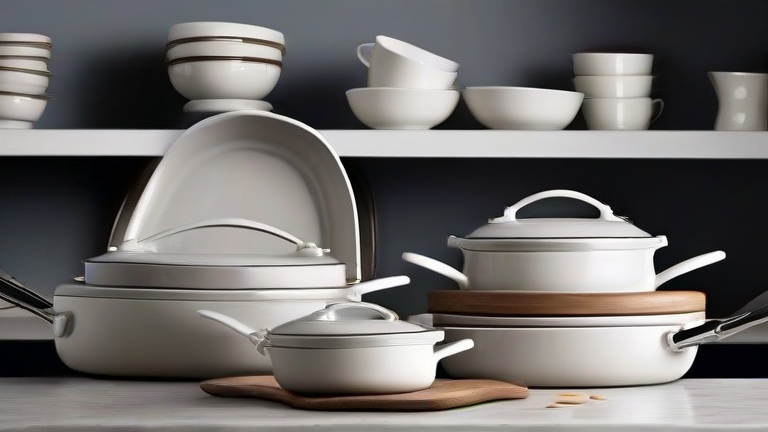
TL;DR: Choose porcelain cookware labeled “lead-free” and “cadmium-free” from reputable brands, and avoid chipped or cracked surfaces to prevent toxic metal leaching. Prioritize heavy, even-glazed pieces that are oven-safe and dishwasher-safe for long-term health and durability.
Why Porcelain Matters for Your Health
Porcelain cookware—a ceramic glaze fused onto a clay or metal base—offers a non-toxic, non-stick surface without PFAS or PFOA chemicals found in conventional non-stick pans. However, not all porcelain is created equal. Low-quality glazes may contain lead or cadmium, which can leach into acidic foods (like tomatoes or citrus) when heated. The FDA sets strict limits, but imported or artisan pieces may bypass regulation. Always check for a certification label from the FDA, California Proposition 65, or the European Ceramic Industry Association (FEPF).
If you want to dig deeper, check out our guide on Porcelain Buying Guide: Healthy, Lead-Free Dinnerware Tips.
How to Spot a Safe Porcelain Pan
First, inspect the glaze for imperfections—pinholes, bubbles, or roughness indicate poor firing, which can harbor bacteria and increase leaching risk. Second, scratch-test the surface with a stainless steel spoon (on the underside of the lid, not the cooking surface). If it leaves a grey mark, the glaze is soft and may chip easily. Third, buy from brands that publicly disclose their third-party lab test results for heavy metals. Reputable names include Emile Henry, Le Creuset (stoneware line), and Xtrema (100% ceramic, no metal core). Avoid vintage or flea-market porcelain, as pre-1980s glazes often contain lead.
Lifestyle and Care Tips for Longevity
To prevent micro-cracks that release toxins, never thermal-shock porcelain—don’t move it from a hot stove to a cold sink. Use wooden or silicone utensils; metal can scratch the glaze, creating leaching points. Hand-wash with mild soap and a soft sponge, as dishwasher detergents erode the glaze over time. Also, avoid cooking on high heat—porcelain distributes heat evenly but can crack above 500°F (260°C). For acidic dishes, simmer at medium-low to minimize any mineral transfer. Finally, if you see any chip, crack, or crazing (fine spiderweb lines), retire the piece immediately—these are pathways for metal leaching.
Sustainable and Budget-Wise Picks
You don’t need to spend $200 on a French brand. Look for “lead-free ceramic” from mid-tier companies like GreenPan (ceramic-coated aluminum) or Caraway (ceramic-coated steel). Both are tested for safety and cost under $100 per pan. For baking dishes, choose porcelain from Chicago Metallic or Staub—these are unglazed on the exterior but fully glazed inside. Remember: the heavier the pan, the thicker the glaze, which generally means better safety and heat retention. Avoid “ceramic non-stick” spray coatings that wear off in months—true porcelain is a fired, vitrified layer, not a coating.
FAQ
Q: Can porcelain cookware go in the oven?
A: Yes, most high-quality porcelain is oven-safe up to 450°F (232°C), but check the manufacturer’s label. Avoid broiling, as direct flame can crack the glaze.
Q: Is scratched porcelain still safe to use?
A: No. Any scratch or chip exposes the underlying material (clay or metal) and allows glaze components to leach into food. Discard or repurpose as decorative storage.
Q: How do I test for lead at home?
A: Use a 3M LeadCheck swab (available online) on the cooking surface. Apply the reagent, and if it turns pink or red, the glaze contains lead. Do not cook with it.
Leave a Reply