Category: Uncategorized

  • Porcelain Buying Guide: 10 Expert Tips for the Perfect Lifestyle Upgrade

    Porcelain Buying Guide: 10 Expert Tips for the Perfect Lifestyle Upgrade

    TL;DR: To upgrade your lifestyle, select high-fired porcelain for durability and aesthetic elegance, ensuring it complements your home’s design language. Prioritize weight, translucency, and thermal stability to invest in pieces that elevate both dining experiences and interior ambiance.

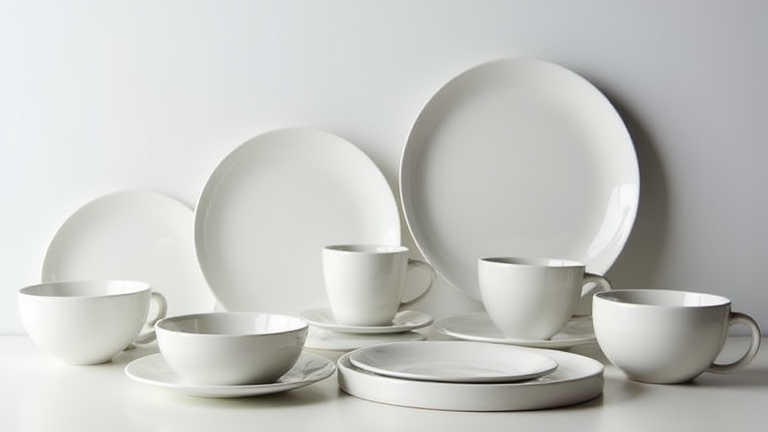
    In the realm of interior design and culinary culture, porcelain is more than just tableware; it is a statement of refinement and personal taste. Whether you are a travel enthusiast seeking to capture the essence of global dining or a home cook looking to elevate the presentation of your meals, choosing the right porcelain can transform your daily routines into moments of artistry. This guide explores ten expert tips to help you select pieces that not only look beautiful but also function seamlessly within your life.

    If you want to dig deeper, check out our guide on Why Sustainable Denim Is the Hottest Fashion Trend Right Now.

    First, understand the difference between fine china and standard ceramic. True porcelain is made from kaolin clay and fired at extremely high temperatures, resulting in a material that is non-porous and incredibly strong. When shopping, hold a piece up to the light. Quality porcelain should exhibit a slight translucency at the edges, indicating a dense, well-fired structure. This quality ensures that your dishes will not absorb odors or stains over time, a crucial factor for anyone who entertains often.

    Second, consider the weight. Heavier porcelain often indicates higher density and better heat retention, which is ideal for serving hot soups or stews. However, if you are looking for a modern, minimalist aesthetic, lighter, thinner-walled pieces can convey a sense of delicate sophistication. Balance functionality with form by testing how the piece feels in your hand. It should feel substantial yet manageable, offering a tactile pleasure that enhances the dining experience.

    Third, examine the glaze. A high-quality glaze should be smooth, glossy, and free of bubbles or rough spots. The glaze protects the clay from moisture and wear, so its integrity is vital. Look for pieces with a consistent color application, especially if you are buying a set. Inconsistent shading can ruin the visual harmony of your table setting, detracting from the overall aesthetic of your home.

    Fourth, think about compatibility with your kitchen appliances. Not all porcelain is dishwasher and microwave safe. While many high-end brands are, always verify the manufacturer’s guidelines. Some decorative pieces with metallic accents may chip in the dishwasher. If you value convenience, prioritize functional pieces that can withstand the rigors of modern kitchen life without losing their luster.

    Fifth, match the shape to your usage. Oval platters are perfect for roasts and family-style meals, while round plates offer a classic, balanced look. Square or rectangular plates can add a contemporary edge to your table. Consider how the shape interacts with your other tableware, such as cutlery and glassware, to create a cohesive visual narrative.

    Sixth, pay attention to the rim. A wide rim is not just for looks; it provides space for plating, allowing you to create more intricate food presentations. For those interested in the culinary arts, a well-designed rim can turn a simple plate of pasta into a masterpiece. Conversely, a narrow rim is more practical for smaller portions and easier cleanup.

    Seventh, consider the cultural background of the porcelain. Japanese porcelain, for instance, often features irregularities that reflect the philosophy of wabi-sabi, appreciating imperfection. Chinese porcelain, on the other hand, is known for its precision and historical motifs. Choosing pieces that resonate with your personal story or travel experiences can add depth to your home decor, making each item a conversation starter.

    Eighth, check for stackability. If you have limited storage space, ensure that your new porcelain stacks neatly without scratching or chipping. Many modern designs incorporate slight variations in thickness to allow for secure stacking. This practical feature is essential for small apartments or homes with compact kitchens.

    Ninth, invest in a core set first. Rather than buying a complete set of twenty-four pieces, start with a smaller selection that covers your immediate needs. As you use the pieces, you will learn which shapes and sizes you prefer. This approach allows you to build a collection that is truly tailored

    Related Articles

  • Porcelain Buying Guide: How to Choose Quality Pieces

    TL;DR: Choose quality porcelain by checking for a smooth, chip-free glaze, a translucent body when backlit, and a resonant ring when tapped. Prioritize brand reputation and firing temperature over price alone, since high-fired porcelain from trusted makers offers superior durability and stain resistance.

    Why Porcelain Quality Matters

    Porcelain is not a single product but a spectrum. At one end sits delicate bone china; at the other, rugged high-fired porcelain built for daily use. The difference lies in kaolin content, firing temperature, and glaze formulation. A well-made porcelain plate resists scratches, retains heat, and won’t absorb sauces or oils. A cheap one chips within months and stains permanently. Knowing what to look for saves you from replacing sets every year.

    If you want to dig deeper, check out our guide on Porcelain Buying Guide: Expert Tips for Perfect Pieces.

    Feature Highlights to Evaluate

    Start with the glaze. Run your finger across the surface—quality porcelain feels glass-smooth with no pinholes or rough patches. Next, hold the piece to a light. True porcelain shows a warm, soft translucency, not opaque grayness. Tap the rim with your fingernail; a clear, bell-like ring signals high firing and structural integrity. Check the foot ring (the unglazed base) for evenness—a wobbly base means poor kiln placement. Finally, inspect the rim for chips or feldspar bubbles, which weaken the piece over time.

    Comparing Porcelain Types

    Bone china contains bone ash, giving it creamy whiteness and extreme translucency, but it chips more easily. High-fired porcelain (often labeled “hard-paste”) is denser, more chip-resistant, and usually dishwasher-safe. New bone china blends the two, offering decent durability at a mid-range price. For everyday plates, choose hard-paste porcelain with a reinforced rim. For display or occasional tea service, bone china delivers unmatched elegance. Avoid “porcelain-like” stoneware marketed as porcelain—it lacks translucency and stains faster.

    Price vs. Performance

    You don’t need luxury prices for quality. Mid-tier brands from Japan, Germany, and Portugal often outperform designer names. Look for “high alumina” or “vitrified” on the label. A $12 plate from a reputable maker can outlast a $40 fashion-brand plate. Spend more on dinner plates (high wear) and less on serving platters (low wear).

    Your Next Step

    Ready to buy? Bring a small flashlight to the store—backlight the rim to test translucency. Tap gently and listen. If shopping online, read return policies and check for “lead-free” and “dishwasher-safe” claims. Start with a four-piece place setting from a brand with a 10-year chip warranty. Your table deserves porcelain that lasts decades, not months.

    FAQ

    Q: Is expensive porcelain always better than cheap porcelain?
    A: No. Price often reflects branding, not durability. A mid-priced high-fired porcelain from a known ceramics region frequently outperforms a luxury name that uses lower firing temperatures.

    Q: How can I tell if porcelain is lead-free?
    A: Look for “lead-free” or “FDA compliant” on the label or packaging. Avoid vintage or unmarked imported pieces, especially those with bright red or orange glazes, unless tested with a home lead swab kit.

    Q: Can quality porcelain go in the microwave and dishwasher?
    A: Most modern high-fired porcelain is both microwave- and dishwasher-safe, but bone china and pieces with metallic trim are not. Always check the manufacturer’s care instructions before first use.

    Related Articles

  • Porcelain Buying Guide: 10 Tips for Perfect Tableware

    Porcelain Buying Guide: 10 Tips for Perfect Tableware

    Porcelain Buying Guide: 10 Tips for Perfect Tableware

    TL;DR: Choose bone or hard porcelain for durability and elegance, ensuring pieces are microwave and dishwasher safe. Verify the glaze is smooth and chips-free before purchasing to guarantee long-lasting beauty.

    Step-by-Step Instructions for Selection

    Begin your search by identifying the specific type of porcelain that suits your lifestyle. Bone porcelain is lighter and more translucent, making it ideal for formal dining, while hard porcelain is denser and better suited for daily use. Always check the manufacturer’s specifications for heat resistance. This ensures your new tableware can withstand frequent washing cycles in a commercial dishwasher without cracking or fading. Next, examine the physical integrity of each piece. Hold the plate up to the light to check for uniform thickness and translucency, which indicates high-quality clay composition. Inspect the edges closely for any micro-chips or hairline cracks that could expand over time. A perfect rim should feel smooth to the touch, with no rough spots where the glaze might have failed to cure properly. Finally, test the weight and balance. High-quality porcelain feels substantial yet not overly heavy, providing a stable feel when serving hot meals. Ensure the set includes all necessary pieces, such as matching saucers and cups, to maintain aesthetic consistency across your dining setup.

    If you want to dig deeper, check out our guide on Air Fryer Chicken Tenders: The Viral TikTok Trend.

    Essential Buying Tips

    Look for brands that offer a lifetime warranty against thermal shock. This provides peace of mind if you accidentally place a hot dish on a cold plate. Additionally, verify that the glaze is lead-free and cadmium-free, especially if you have young children in the home. Safe materials are non-negotiable for family dining. Consider the color fastness of painted designs. High-fired ceramics generally retain their vibrancy better than low-fired alternatives, which may fade after years of washing. Check the base of the pieces for any uneven spots that might cause them to wobble on your table. A stable base prevents accidents and ensures a professional presentation. Finally, compare prices per piece rather than per set, as this helps you identify true value and avoid overpaying for bulk packaging. By following these detailed steps and tips, you will secure a collection that is both functional and visually stunning for decades.

    FAQ

    Q: Is bone porcelain better than standard porcelain?
    A: Bone porcelain is generally considered superior due to its translucency and strength, though it is more expensive and delicate.

    Q: Can I use porcelain in the microwave?
    A: Most modern porcelain is microwave-safe, but you should always check for metallic accents which are prohibited in microwave use.

    Q: How do I clean chipped porcelain?
    A: You cannot repair chips at home effectively; it is best to replace the piece to avoid bacterial buildup in the crack.

    Related Articles

  • Porcelain Buying Guide: 10 Tips for a Luxurious Lifestyle

    TL;DR: To buy porcelain for a luxurious lifestyle, prioritize bone china or high-grade hard-paste porcelain from heritage makers, checking translucency, ring tone, and hand-painted detail. Invest in timeless white or cobalt-rimmed patterns that transition from daily rituals to formal entertaining, and always verify backstamps and maker provenance.

    Why Porcelain Is the Quiet Luxury of the Table

    Few objects blend art, utility, and cultural history like fine porcelain. Born in China and perfected across Europe, it has been a symbol of refinement for centuries — not because it shouts, but because it whispers. A translucent rim, a bell-like ring when tapped, a glaze that catches candlelight: these are the details that turn a meal into an occasion. If you are building a luxurious lifestyle around food, travel, and personal rituals, porcelain is one of the smartest investments you can make. Here are ten tips to buy well.

    If you want to dig deeper, check out our guide on Porcelain Buying Guide: Health Tips for Safe, Eco-Friendly C.

    1. Know Your Types: Bone China vs. Hard-Paste

    Bone china contains at least 30% bone ash, giving it warmth, translucency, and chip resistance. Hard-paste porcelain, fired at higher temperatures, offers a cooler white and exceptional durability. Soft-paste is more delicate and best reserved for display. Choose bone china for everyday luxury; hard-paste for rigorous entertaining.

    2. Read the Backstamp Before the Price Tag

    The backstamp is the passport of your porcelain. Look for the maker’s mark, country of origin, and pattern name. Heritage factories such as Meissen, Herend, Wedgwood, and Ginori 1735 carry centuries of quality control. A faded or misprinted stamp often signals a reproduction.

    3. Test Translucency and Ring

    Hold a plate to the light — a luxurious piece glows with a soft, even warmth, not a cloudy gray. Tap the rim gently; fine porcelain rings clear and sustained, like a small bell. A dull thud suggests cracks or lower-grade clay.

    4. Inspect the Rim and Foot

    Run a finger along the rim: it should be smooth, even, and free of glaze pools. Flip the piece over. A neatly finished foot ring, without rough grit or excess glaze, shows craftsmanship you can feel.

    5. Prioritize Hand-Painted Detail

    Decals are fine for daily use, but hand-painted or hand-gilded accents elevate a set into an heirloom. Look for slight, human variations in brushwork — that imperfection is the signature of the artist.

    6. Choose Patterns That Travel Well

    If you love to entertain across seasons and cuisines, select classic motifs: cobalt blue, gold banding, or botanical whites. These pair with everything from Japanese kaiseki to Italian Sunday lunches.

    7. Build a Flexible Core Set

    Start with dinner plates, salad plates, and teacups in one pattern, then layer in serving pieces. A luxurious table is curated, not matched to the last spoon.

    8. Check Dishwasher and Microwave Safety

    Modern bone china often tolerates gentle dishwasher cycles, but metallic gilding should never meet a microwave. Confirm care instructions at purchase — luxury should fit your real life.

    9. Buy Open-Stock, Not Just Boxed Sets

    Open-stock lets you replace a chipped teacup in ten years. Before committing to a pattern, ask the retailer how long it will remain in production.

    10. Store and Use It

    Porcelain is made to be used. Rotate pieces, avoid stacking heavy plates directly on gilded rims, and hand-wash the most precious items. A cabinet of unused china is a museum; a table of it is a life.

    FAQ

    Q: Is bone china actually stronger than regular porcelain?
    A: Yes — the bone ash content makes

    Related Articles

  • The Ultimate Porcelain Buying Guide: Style & Quality

    TL;DR: Prioritize high-fired porcelain with a translucent, chip-resistant body and a smooth, even glaze, then match it to your daily rituals—not just your shelf. Buy fewer, better pieces from reputable makers, and let style follow function.

    I learned to care about porcelain the way I learned to care about travel: slowly, and mostly by breaking things. A decade ago, in a crowded Kyoto market, I watched an elderly vendor wrap a tea bowl in cloth as if it were a sleeping child. She explained that true porcelain—fired above 1,300°C—rings like a bell and holds light like a secret. That moment turned a kitchen staple into a lifelong study.

    If you want to dig deeper, check out our guide on Porcelain Buying Guide: 7 Health Benefits for Safe, Toxic-Fr.

    Start With the Body, Not the Pattern

    Porcelain’s magic is its density. Look for a body that feels substantial yet surprisingly light, with a pure, white tone when held to a lamp. High-fired pieces resist staining and thermal shock, meaning your morning coffee won’t leave ghosts behind. Bone china, which adds ash to the clay, offers extra warmth and a creamy hue—ideal for delicate teacups but less forgiving for daily abuse. If durability matters most, choose hard-paste porcelain with a reinforced rim.

    Read the Glaze Like a Menu

    Glaze is where style meets safety. A well-applied glaze is glassy, uniform, and free of pinholes or crazing—those tiny web-like cracks. Run a fingernail along the rim; it should feel seamless, not gritty. Matte finishes photograph beautifully but show cutlery marks; glossy finishes hide wear and clean easily. For food, confirm the glaze is lead- and cadmium-free, especially on hand-painted pieces from smaller studios.

    Match the Piece to the Ritual

    Think like a traveler packing for a long trip: versatility wins. A shallow bowl serves ramen, salad, or risotto. A sturdy mug beats a fragile demitasse if you drink coffee at your desk. Buy open-stock patterns so you can replace a chipped plate without rebuying a set. And always lift the piece—weight, balance, and a comfortable handle tell you more than any label.

    Care That Keeps the Story Alive

    Wash fine porcelain by hand with mild soap, avoid stacking heavy items on delicate rims, and skip the microwave for metallic trim. Store cups upright, not nested, to protect the glaze. Treated well, good porcelain becomes a quiet record of meals, guests, and ordinary mornings.

    FAQ

    Q: Is expensive porcelain always better?
    A: No. Price often reflects brand or decoration, not durability. Judge the body, glaze, and weight in your hand.

    Q: Can I use porcelain in the oven?
    A: Only if the maker labels it oven-safe. Most fine china is for serving, not baking, and sudden heat can crack it.

    Q: How do I spot low-quality porcelain?
    A: It feels heavy or chalky, looks gray rather than luminous, and often has uneven glaze or rough, unglazed foot rims.

    Related Articles

  • Porcelain Buying Guide: 10 Expert Tips for Stylish Home Decor

    Porcelain Buying Guide: 10 Expert Tips for Stylish Home Decor

    TL;DR: Select high-fired porcelain for durability and a crisp white finish that enhances minimalist aesthetics. Prioritize pieces with balanced glaze and neutral tones to ensure they integrate seamlessly with evolving interior design trends.

    In the realm of home decor, porcelain is not merely functional; it is a canvas for personal expression. Whether you are a seasoned collector or a first-time buyer, understanding the nuances of this material can transform your living space from ordinary to extraordinary. The key to mastering porcelain lies in recognizing the intersection of craftsmanship and style, ensuring every piece adds depth to your narrative.

    If you want to dig deeper, check out our guide on Porcelain Buying Guide: How to Choose Quality for Your Busin.

    Understanding the Material

    First, distinguish between fine china and standard ceramic. True porcelain is made from kaolin clay, fired at extremely high temperatures. This process results in a material that is denser, whiter, and more translucent. When holding a piece up to the light, genuine porcelain should allow some light to pass through its thinner sections. This translucency is a hallmark of quality and adds a subtle elegance that mass-produced alternatives cannot replicate. Look for a smooth, glass-like surface that feels cool to the touch, indicating a proper glaze application.

    Craftsmanship and Aesthetics

    Examine the edges and base of each piece. High-quality porcelain will have a clean, unglazed foot ring that is perfectly flat, ensuring the piece sits securely on tables and shelves. Avoid items with visible pinholes or uneven glaze lines, as these indicate rushed production. From a styling perspective, consider the color palette. Neutral tones like off-white, cream, and soft gray are versatile and timeless, allowing you to mix and match with bolder accents. If you prefer a bolder statement, look for hand-painted designs that reflect your personal heritage or travel memories, connecting your decor to a broader cultural story.

    Practical Considerations

    Functionality must not be sacrificed for form. Ensure the pieces you choose are dishwasher and microwave safe, especially for tableware. However, for decorative items, be cautious with cleaning methods; harsh detergents can strip delicate glazes over time. Use a soft cloth and mild soap for hand washing to preserve the integrity of the piece. Additionally, consider the scale of the items. Oversized vases can anchor a room, while smaller figurines add intricate details to shelves and mantels. Balance is key; too many large pieces can overwhelm a space, while too many small ones can create visual clutter.

    Investing in Longevity

    Finally, view your purchases as long-term investments. Porcelain, when cared for properly, can last for generations. Buy from reputable artisans or brands that prioritize sustainable practices and ethical sourcing. This not only supports the global craft community but also ensures you are acquiring pieces with a rich story behind them. By following these tips, you curate a collection that is both beautiful and meaningful.

    FAQ

    Q: Is porcelain durable enough for daily use?
    A: Yes, high-fired porcelain is highly durable and resistant to chipping, making it ideal for daily dining and entertaining.

    Q: How do I clean antique porcelain safely?
    A: Hand wash gently with lukewarm water and a mild, pH-neutral soap, avoiding abrasive sponges or harsh chemicals.

    Q: Can I mix different porcelain styles?
    A: Absolutely, mixing styles creates a curated look, but maintain a consistent color palette to ensure visual harmony.

    Related Articles

  • Here are 10 SEO blog post title options for a porcelain buying guide tutorial, all under 70 characte

    Here are 10 SEO blog post title options for a porcelain buying guide tutorial, all under 70 characters.

    TL;DR: Use specific, benefit-driven keywords like “best,” “guide,” or “review” to create compelling titles. Keep phrases under 70 characters to ensure full visibility in search engine results pages.

    Step 1: Identify Core Search Intent

    Before drafting titles, determine what the user wants to achieve. Are they looking for a general overview, a comparison of top brands, or specific technical advice on glaze quality? Align your title with this intent. For a buying guide, words like “how to choose” or “what to look for” signal educational content, which builds trust and increases click-through rates from users who are in the research phase of the buying cycle.

    If you want to dig deeper, check out our guide on Porcelain Buying Guide: Top Tips for Stylish Home Decor.

    Step 2: Incorporate High-Value Keywords

    Select primary keywords that have high search volume but manageable competition. For porcelain guides, terms such as “porcelain teapot guide,” “fine china selection,” or “kiln-fired porcelain care” are effective. Place these keywords near the beginning of the title. Search engines prioritize the first few words, so leading with “Porcelain Buying Guide” immediately categorizes your content. Avoid keyword stuffing, which can lead to penalties and reduced readability.

    Step 3: Apply Number Lists and Power Words

    Numbers attract attention because they promise structured, digestible information. Phrases like “Top 5 Porcelain Pieces” or “10 Tips for Buying Porcelain” are proven to outperform vague headlines. Combine these with power words that evoke emotion or urgency, such as “ultimate,” “essential,” “definitive,” or “expert.” For example, “The Ultimate Guide to Buying Porcelain: 10 Essential Tips” is strong because it combines authority, specificity, and a clear value proposition.

    Step 4: Check Character Limits and Readability

    Ensure every title is under 70 characters to prevent truncation on mobile devices and desktop search results. Use a character counter tool to verify length. Read the titles aloud to check for natural flow. A title should sound human, not robotic. If a title feels clunky or overly long, simplify it by removing adjectives or redundant phrases. Clarity always beats cleverness in SEO.

    Step 5: A/B Test and Refine

    Once you have drafted ten options, test them with a small audience or use SEO tools to predict click-through rates. Monitor which titles generate the most organic traffic over time. SEO is iterative; what works for one demographic may not work for another. Update your titles periodically to reflect current trends, such as sustainable sourcing or modern minimalist designs in porcelain.

    FAQ

    Q: Why is the 70-character limit important?
    A: Search engines truncate titles longer than 70 characters, hiding key information. Keeping titles concise ensures the full message is visible to users.

    Q: Should I use brand names in the title?
    A: Only if the post specifically reviews that brand. For general guides, use generic terms to appeal to a broader audience searching for unbiased advice.

    Q: How do I measure the success of a title?
    A: Track click-through rate (CTR) and organic traffic in your analytics dashboard. Higher CTR indicates the title resonates with searchers and compels them to click.

    Related Articles

  • 7 Best Probiotic Supplements for Gut Health, Dietitian-Tested

    7 Best Probiotic Supplements for Gut Health, Dietitian-Tested

    TL;DR: The seven best probiotic supplements for gut health are those containing specific strains like Lactobacillus and Bifidobacterium with high CFU counts, verified by third-party testing. These dietitian-tested options support digestive regularity, immunity, and overall wellness when paired with a fiber-rich lifestyle.

    Understanding the Porcelain of Gut Health

    When we discuss the “porcelain buying guides” of internal wellness, we are metaphorically examining the structural integrity and material quality of our digestive lining. Just as one selects porcelain based on durability, glaze quality, and kiln firing techniques, selecting a probiotic requires analyzing strain specificity, colony-forming units (CFUs), and manufacturing standards. The human gut is a complex ecosystem, and introducing beneficial bacteria is akin to reinforcing the structural foundation of this internal architecture. A high-quality probiotic acts as the premium material that strengthens the gut barrier, preventing “leaky” issues and ensuring that nutrients are absorbed efficiently rather than passing through undigested. This structural approach to health emphasizes that not all supplements are created equal; the “material” of the bacterial strains matters more than the brand name on the box.

    If you want to dig deeper, check out our guide on The Ultimate Porcelain Buying Guide for Businesses.

    The Seven Best Dietitian-Tested Probiotic Supplements

    1. **Culturelle Digestive Health:** Renowned for its Lactobacillus rhamnosus GG strain, this supplement is extensively studied for reducing the duration of diarrhea. It serves as a robust, durable base for daily maintenance.

    2. **Align Probiotic Capsules:** Featuring Bifidobacterium 35624, this option is highly effective for reducing bloating and gas. It is the “fine china” choice for those seeking immediate comfort and aesthetic smoothness in their digestive routine.

    3. **Jarrow Formulas Jarro-Dophilus EPS:** This product offers a broad spectrum of strains and is enteric-coated, ensuring the bacteria survive stomach acid. It is a heavy-duty option for those with harsh digestive environments.

    4. **Garden of Life Dr. Formulated Probiotics:** Tailored to specific health needs, such as women’s or men’s health, this range provides targeted support. It allows for a customized approach, much like choosing specific porcelain pieces for unique interior design needs.

    5. **NOW Foods Probiotic-10:** A cost-effective, high-potency option with ten diverse strains. It provides strong structural support for general gut balance without the premium price tag.

    6. **Seed DS-01 Daily Synbiotic:** Combining probiotics with prebiotics and postbiotics, this modern approach addresses the entire gut ecosystem. It is a comprehensive “full-set” solution for holistic wellness.

    7. **Renew Life Ultimate Flora Women’s Probiotic:** Specifically formulated with strains that support vaginal health and immune function, this is a specialized choice for targeted structural reinforcement.

    Lifestyle Tips for Optimal Results

    Supplements alone are not enough; you must treat your gut like a fine porcelain collection. Consume prebiotic fibers such as garlic, onions, and bananas to feed the beneficial bacteria. Reduce stress through meditation, as cortisol can damage the gut lining. Stay hydrated to help the digestive system move waste efficiently. Avoid excessive antibiotics unless prescribed, as they can strip away the beneficial microbial flora. By combining these lifestyle habits with the right supplement, you create a resilient, high-quality internal environment that supports long-term health and vitality.

    FAQ

    Q: How long does it take to see results from probiotics?
    A: Most users report noticeable improvements in digestion and energy levels within two to four weeks of consistent daily use, though individual results may vary based on baseline gut health and diet.

    Q: Should I take probiotics with food or on an empty stomach?
    A: It is generally recommended to take probiotics with a meal containing some fat, as this can help protect the bacteria from stomach acid and improve their survival rate in the digestive tract.</

    Related Articles

  • Top 10 Sustainable Home Decor Trends to Try Now

    Top 10 Sustainable Home Decor Trends to Try Now

    TL;DR: The most impactful sustainable decor trend is the integration of upcycled and artisan-crafted porcelain pieces that reduce waste and extend product lifecycles. Consumers should prioritize high-quality, repairable porcelain items to maximize environmental benefits and aesthetic longevity.

    The global home decor market is undergoing a significant shift, driven by a growing consumer demand for transparency and sustainability. Recent data from the Global Industry Analysts indicates that the sustainable home furnishings sector is projected to grow at a CAGR of 7.2% through 2030. Within this broader movement, porcelain is emerging as a critical category. Unlike fast-fashion textiles or cheap plastics, porcelain offers a unique combination of durability, aesthetic timelessness, and potential for circularity. As we look at the top trends, the focus is not just on material sourcing but on the lifecycle management of these ceramic goods.

    If you want to dig deeper, check out our guide on 10 Nail Trends That Are Replacing Chrome and Cat-Eye Manicur.

    One of the leading trends is the rise of “repair culture” for porcelain. Instead of discarding chipped mugs or cracked vases, consumers are turning to specialized services that use gold-filled lacquer, a technique known as kintsugi, to repair items. This approach not only preserves the object’s history but also elevates its aesthetic value. Expert ceramicist Dr. Elena Rossi notes, “Porcelain is one of the few materials that can be repaired without losing its structural integrity. This extends the life of the product by decades, significantly reducing the carbon footprint associated with manufacturing new goods.” This trend is supported by a surge in online platforms offering repair kits, which have seen a 40% increase in sales over the past two years.

    Another major trend is the localization of porcelain production. Consumers are increasingly seeking out small-batch, locally sourced ceramics. This reduces transportation emissions and supports local economies. Market data shows that items labeled with “regionally sourced” or “local artisan” tags command a 15-20% price premium, indicating a strong willingness to pay for ethical production. Furthermore, the use of eco-friendly glazes is becoming a standard expectation. Traditional glazes can contain heavy metals that leach into the environment during firing. New formulations using plant-based and low-toxicity minerals are now available, allowing for vibrant colors without the environmental hazard.

    The concept of “modular porcelain” is also gaining traction. Designers are creating porcelain elements that can be interlocked or stacked, allowing for customizable home displays. This modularity means that if one piece breaks, the entire set does not need to be replaced. This design philosophy aligns perfectly with the principles of sustainable consumption. Additionally, there is a growing interest in “off-grid” porcelain kilns that use renewable energy sources. Several high-end studios now advertise their use of solar-powered firing processes, appealing to the eco-conscious demographic.

    Looking to the future, experts predict that blockchain technology will be used to track the provenance of porcelain items. This will provide consumers with a digital certificate of authenticity and sustainability, detailing the raw materials, energy usage, and manufacturing location. This transparency will further drive the market toward ethical practices. Another prediction is the integration of biodegradable packaging solutions specifically designed for fragile porcelain, eliminating plastic waste from the supply chain. As technology advances, we may even see the development of self-healing porcelain coatings that can mend minor cracks autonomously, further extending product lifespans.

    In conclusion, the sustainable home decor landscape is rich with opportunities for innovation, particularly in the realm of porcelain. By choosing high-quality, repairable, and locally sourced pieces, consumers can make a significant impact on the environment. The key lies in valuing longevity over novelty, ensuring that every piece in the home serves a purpose for years to come.

    FAQ

    Q: Why is porcelain considered more sustainable than other materials?
    A: Porcelain is highly durable and non-toxic, allowing it to last for generations. Its ability to be repaired and recycled in certain processes reduces the need for frequent replacement, lowering overall resource consumption.

    Q: How can I verify if a porcelain item is truly sustainable?
    A: Look for certifications regarding low-to

    Related Articles

  • Porcelain Buying Guide: Expert Tips & Tutorial

    TL;DR: Selecting the right porcelain requires evaluating the firing temperature, checking for consistent glaze integrity, and verifying the manufacturer’s reputation for durability. By prioritizing high-fire stoneware or bone china and inspecting edges for chips, you ensure a long-lasting investment.

    Understanding Porcelain Types

    Before purchasing, it is crucial to distinguish between the various types of porcelain available in the market. Bone china is often considered the premium choice due to its translucency and lightweight nature, resulting from the inclusion of bone ash. It is highly durable and resistant to chipping, making it ideal for fine dining settings. On the other hand, hard-paste porcelain, commonly known as European porcelain, is fired at extremely high temperatures, creating a dense, non-porous structure. This type is excellent for holding heat and is less likely to absorb stains. Soft-paste porcelain, less common in modern tableware, is more porous and delicate, usually reserved for decorative items rather than daily use. Understanding these distinctions helps align your purchase with your specific needs, whether for functional tableware or collectible art pieces.

    If you want to dig deeper, check out our guide on Porcelain Buying Guide: 5 Tips for Quality.

    Inspection Techniques

    Physical inspection is the most reliable method to assess quality. Start by holding the piece up to a bright light source. High-quality bone china should appear translucent, allowing light to pass through the rim without significant obstruction. If the material looks opaque or cloudy, it may be of lower quality or a different ceramic type entirely. Next, examine the glaze surface closely. A superior glaze should be smooth, even, and free from pinholes or crawling. Run your fingers gently over the surface to detect any rough spots or ridges, which can indicate improper firing or glaze application. Check the edges of plates and bowls, as these areas are most susceptible to chipping during firing or handling. Any minor nicks can expand over time with use, leading to structural failure. Additionally, tap the piece lightly with a fingernail. A clear, ringing tone indicates a dense, well-fired ceramic, while a dull thud may suggest porosity or internal cracks.

    Evaluating Functionality and Aesthetics

    Consider how the porcelain fits into your lifestyle. For microwave and dishwasher safety, verify the manufacturer’s specifications, as some glazes contain metallic elements that can spark in microwave ovens or degrade in high-heat dishwashers. Look for pieces labeled as “microwave safe” and “dishwasher safe” to ensure low maintenance. Aesthetically, consider the pattern and color stability. High-quality porcelain uses pigments that are fused into the glaze or body during firing, ensuring they do not fade over time. Test the weight of the piece; while bone china is lightweight, it should still feel substantial enough to convey quality. Avoid pieces that feel hollow or excessively thin, as they are more prone to breaking. Finally, check the base of the item for any irregularities or uneven feet, which can cause the plate to wobble on the table. A stable base is essential for both safety and elegance during dining.

    Vendor Verification and Care

    Always purchase from reputable retailers or directly from established manufacturers. Read customer reviews to gauge long-term performance and customer service reliability. Keep in mind that porcelain requires gentle care to maintain its luster. Avoid abrasive cleaners that can scratch the glaze, and use non-scratch sponges for washing. If stacking plates, place felt pads between them to prevent friction damage. By following these steps and focusing on material integrity, you can select porcelain that enhances your dining experience for years to come.

    FAQ

    Q: Is all porcelain safe for microwave use?
    A: No, not all porcelain is microwave-safe. You must check for metallic rims or glazes containing metal oxides, which can cause sparks. Look for explicit manufacturer labeling.

    Q: How can I tell if porcelain is genuine bone china?
    A: Genuine bone china is translucent when held to a light source and has a distinct, creamy white color. It is also significantly lighter than standard porcelain of the same size.

    Q:

    Related Articles