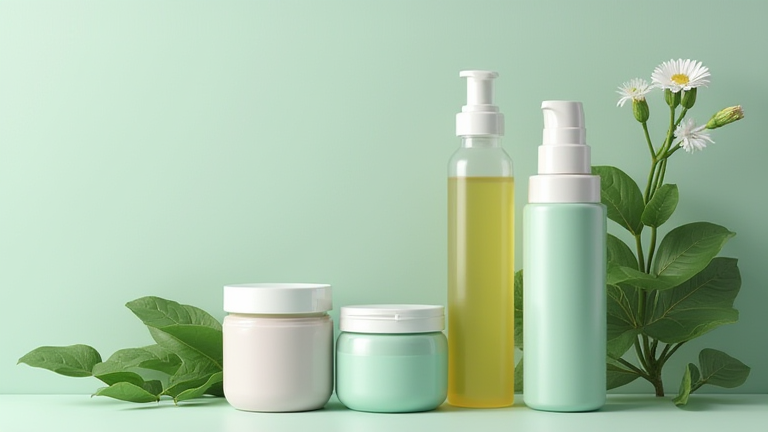
Top 5 Sustainable Skincare Trends Dominating the Beauty Industry
TL;DR: The beauty sector is pivoting toward refillable packaging and biodegradable materials to reduce waste. Consumers are prioritizing brands that offer transparent supply chains and zero-waste porcelain-based delivery systems.
The global beauty market is undergoing a seismic shift, driven by consumer demand for ethical production and environmental responsibility. Recent data indicates that the sustainable beauty market is projected to reach $15.8 billion by 2027, growing at a CAGR of 9.5%. This surge is not merely a marketing fad but a structural change in how products are designed, sourced, and consumed. Among the most significant developments is the integration of traditional materials with modern eco-ethics, particularly in the realm of packaging and application tools. While many focus on ingredients, the physical vessel of skincare is becoming a critical differentiator, leading to a resurgence in high-quality, durable materials like porcelain.
If you want to dig deeper, check out our guide on Porcelain Buying Guide: Health Benefits & Safe Material Tips.
One of the leading trends is the adoption of refillable systems. Brands are moving away from single-use plastics by offering durable, aesthetically pleasing containers that can be refilled. According to a 2023 industry report, 74% of consumers are willing to pay more for products with refillable packaging. This trend aligns perfectly with the use of porcelain, a material that is inert, non-porous, and infinitely reusable. Unlike plastic, which degrades and leaches chemicals, porcelain maintains its integrity over decades. Experts in material science note that porcelain’s thermal stability makes it ideal for storing sensitive serums, preserving potency without the need for active cooling or preservatives. This durability reduces the carbon footprint associated with manufacturing new containers repeatedly.
Another critical trend is the rise of “zero-waste” application tools. Instead of disposable cotton pads or plastic applicators, consumers are turning to ceramic and porcelain brushes, spoons, and palettes. These items serve a dual purpose: they are functional beauty tools and durable household objects. Market analysts predict that by 2025, the segment for sustainable beauty tools will grow by 12% annually. The aesthetic appeal of handcrafted porcelain items also drives this trend, as consumers seek products that blend utility with art. This shift challenges the fast-fashion model of beauty, encouraging a slower, more intentional approach to self-care. Brands that offer detailed buying guides on how to care for these porcelain items are seeing higher customer retention rates, as education fosters a deeper connection to the product lifecycle.
Transparency in sourcing is the third major pillar. Consumers are demanding to know where raw materials come from. Porcelain, made from kaolin clay, is often sourced from specific geological regions known for purity. Brands are now highlighting the provenance of their clay, ensuring that mining practices are sustainable and socially responsible. This narrative of origin adds value to the product, transforming a simple jar into a story of craftsmanship and ethical stewardship. Future predictions suggest that blockchain technology will be increasingly used to track the journey of these materials from mine to mirror, providing verifiable proof of sustainability.
Finally, the integration of smart technology with sustainable hardware is on the horizon. Some forward-thinking companies are embedding sensors into porcelain-based dispensers that monitor usage and prompt refills only when necessary, reducing over-consumption. This technological layer enhances the user experience while reinforcing the sustainable ethos. As we look to the future, the beauty industry will likely see a complete overhaul of packaging standards, with porcelain and other durable materials becoming the norm rather than the exception. The convergence of art, technology, and sustainability is reshaping the landscape, offering consumers a path to luxury that does not come at the expense of the planet.
FAQ
Q: Why is porcelain considered more sustainable than plastic for skincare packaging?
A: Porcelain is a non-porous, inert material that does not leach chemicals and can be reused indefinitely or recycled into new ceramics, unlike plastic which contributes to long-term pollution and microplastic waste.
Q: How can consumers identify if a porcelain skincare brand is truly sustainable?
A: Look for brands that provide detailed information about their clay sourcing, use renewable
Leave a Reply