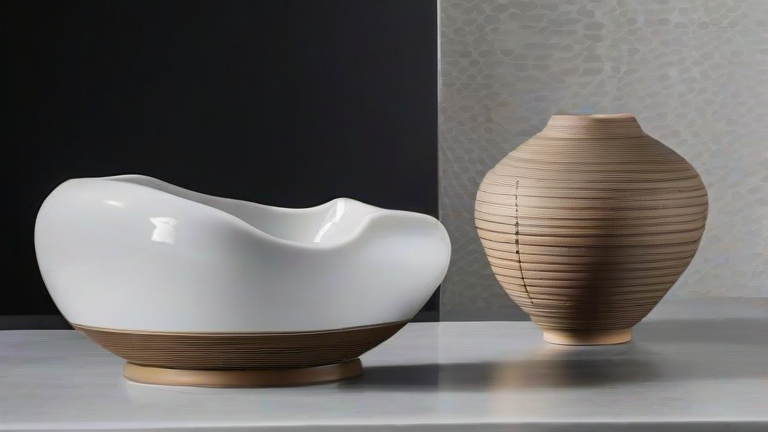
TL;DR: To choose the perfect porcelain pieces, prioritize high-fired stoneware for durability and check for consistent glazing to ensure a seamless aesthetic. Focus on functional forms that align with your daily ritual, ensuring each piece serves both a practical purpose and a decorative role in your home.
The Art of Selecting Porcelain
Porcelain is not merely a vessel; it is a medium for everyday ritual. In a world saturated with fast fashion and disposable goods, investing in high-quality tableware offers a sense of permanence and calm. Whether you are a seasoned chef or someone who simply appreciates the quiet beauty of a well-made cup, understanding the nuances of porcelain allows you to curate a collection that elevates your daily life. This guide focuses on the essential criteria that distinguish superior porcelain from its mass-produced counterparts, helping you make informed decisions that last for decades.
If you want to dig deeper, check out our guide on Porcelain Buying Guide: How to Choose the Perfect Set.
Understanding Firing Temperatures
The most critical factor in porcelain quality is the firing temperature. True porcelain is fired at temperatures exceeding 2,300 degrees Fahrenheit. This extreme heat vitrifies the clay, making it non-porous, incredibly durable, and capable of withstanding thermal shock without cracking. In contrast, many inexpensive items sold as “porcelain” are actually ceramic or stoneware fired at lower temperatures. These items are more porous, prone to staining, and susceptible to chipping. When shopping, look for labels that specify “vitrified” or “high-fired.” If a piece is lightweight yet feels dense and resonates with a clear, ringing sound when tapped gently, it is likely a high-quality porcelain piece. This acoustic test is a reliable indicator of density and structural integrity, serving as a quick check before purchase.
Glaze Quality and Aesthetics
The glaze is the protective skin of your porcelain, and its quality determines both the visual appeal and the safety of your tableware. A good glaze should be smooth, consistent, and free from pinholes or crazing. Crazing refers to a network of fine cracks in the glaze, which can harbor bacteria and make the piece difficult to clean. Inspect the rim and the base of the piece carefully. The rim should be even and not wavy, ensuring the piece sits flat and stable. The base should be smooth enough to stack without scratching other pieces. Additionally, consider the color palette. Neutral tones like white, bone, or pale gray are versatile and allow for easy mixing and matching with other collections. If you prefer bolder statements, ensure the color is applied under the glaze for durability rather than as a decal on top, which can wear off over time.
Functional Forms for Daily Life
While aesthetics are important, function must not be overlooked. Choose shapes that fit your hand comfortably. A dinner plate that is too large can feel cumbersome, while one that is too small may feel restrictive. Consider the depth of your bowls and mugs. A mug with a generous lip and a sturdy handle enhances the drinking experience. Similarly, soup bowls with a deeper profile prevent spills and keep contents warmer longer. By focusing on ergonomic design, you ensure that your porcelain pieces are not just decorative objects but tools that enhance your culinary interactions. This personal growth angle emphasizes mindfulness in consumption, encouraging you to buy less but better, creating a home environment that feels intentional and serene.
FAQ
Q: How can I tell if porcelain is dishwasher safe?
A: Check the manufacturer’s specifications, but generally, high-fired vitrified porcelain is safe for dishwashers. Avoid pieces with gold accents or delicate hand-painted details, as high heat and harsh detergents can damage these finishes over time.
Q: What is the difference between porcelain and stoneware?
A: Porcelain is fired at higher temperatures, making it thinner, whiter, and more translucent. Stoneware is fired at lower temperatures, resulting in a thicker, more opaque, and often more rustic appearance. Porcelain is generally more durable against thermal shock.
Q: How should I store my porcelain collection?<
Leave a Reply