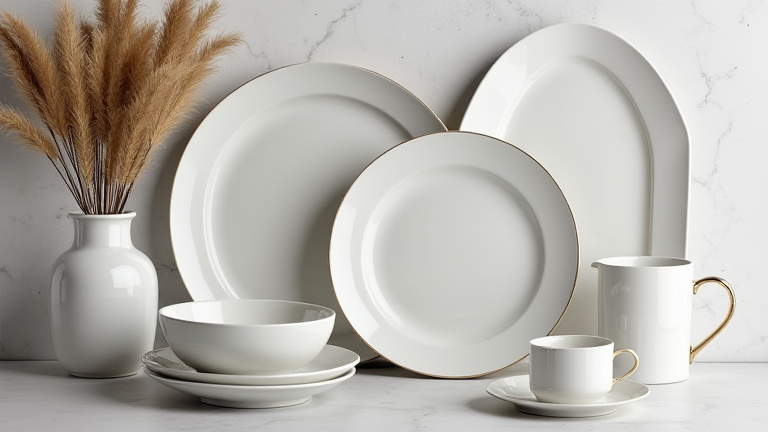
Ultimate Porcelain Buying Guide: Tips for a Chic Lifestyle
TL;DR: Select high-grade bone or hard porcelain for durability and elegant translucency to elevate your dining experience. Prioritize craftsmanship, such as hand-painted details and seamless glazing, to ensure each piece reflects sophisticated taste and personal style.
Porcelain is more than just tableware; it is a tangible expression of culture, history, and personal aesthetic. Whether you are curating a collection for special occasions or upgrading your daily routine, understanding the nuances of porcelain buying guides is essential. The right pieces can transform a simple meal into a memorable ritual, bridging the gap between functional utility and artistic appreciation. In today’s world, where personal growth often stems from appreciating the finer details of life, investing in quality porcelain is a meaningful step toward a chic lifestyle.
If you want to dig deeper, check out our guide on The Ultimate Porcelain Buying Guide: Tips for Quality & Dura.
Understanding Material Quality
The foundation of any superior porcelain piece lies in its material. Bone porcelain, derived from animal bones, kaolin clay, and quartz, offers exceptional strength and a delicate, translucent quality that catches the light beautifully. Hard porcelain, on the other hand, is known for its durability and crisp white finish, making it ideal for high-traffic households. When reading a porcelain buying guide, always check the kiln temperature specifications. Higher firing temperatures result in denser, more non-porous surfaces that resist staining and chipping. This technical detail ensures longevity, allowing your collection to remain pristine for decades rather than years.
Artisanal Craftsmanship and Design
Beyond material, the craftsmanship defines the character of the piece. Look for hand-painted accents, which introduce a human element and uniqueness that mass-produced items lack. Consider the rim design; a slightly flared edge can guide the palate, enhancing the flavor perception of your food. From a cultural perspective, porcelain connects us to global traditions, from Chinese Qing dynasty styles to French Sèvres elegance. Incorporating these diverse influences into your home decor fosters a sense of global awareness and appreciation. Furthermore, sustainable brands are increasingly using eco-friendly glazes and fair-trade practices, aligning your purchase with ethical personal growth values. Choose pieces that resonate with your interior design theme, whether minimalist, bohemian, or classic, to create a cohesive visual narrative.
Care and Longevity
Proper care is crucial to maintaining the beauty of your porcelain. Avoid sudden temperature changes, which can cause thermal shock and cracking. Hand washing is generally recommended to preserve hand-painted details and delicate gold rims. Store pieces carefully to prevent scratches. By adhering to these guidelines, you ensure that your investment retains its value and beauty, serving as a testament to your refined taste and dedication to quality living.
FAQ
Q: What is the primary difference between bone and hard porcelain?
A: Bone porcelain contains animal bone ash, making it lighter and more translucent, while hard porcelain is denser, whiter, and highly durable for everyday use.
Q: How can I identify high-quality handmade porcelain?
A: Look for slight irregularities in shape, a smooth and even glaze without bubbles, and a bright, ringing sound when lightly tapped against a hard surface.
Q: Is it safe to use porcelain in the dishwasher?
A: Most modern hard porcelain is dishwasher safe, but hand washing is recommended for pieces with gold accents, hand-painted art, or thin rims to prevent damage.
Leave a Reply