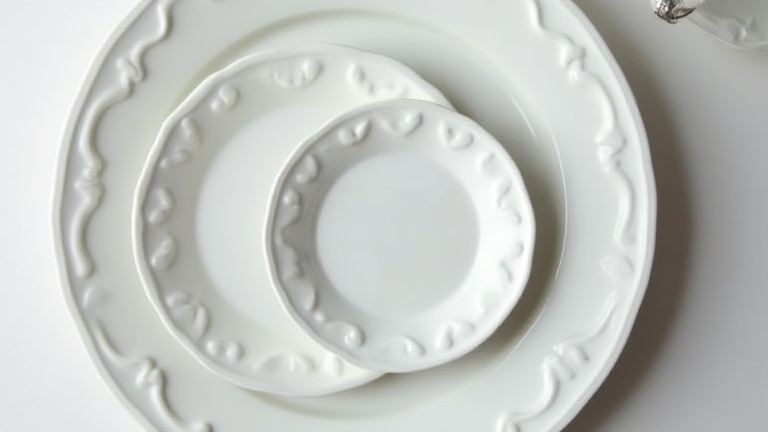
Porcelain Buying Guide: How to Choose the Perfect Tableware
TL;DR: Select high-quality porcelain by verifying it is made from kaolin clay and fired at temperatures exceeding 2,300°F to ensure durability and whiteness. Prioritize pieces with consistent glazing and a smooth rim to prevent chipping and maintain aesthetic longevity in daily use.
The global tableware market is experiencing a significant shift toward premium, sustainable materials. Porcelain, once reserved for formal occasions, is now becoming a staple in modern households seeking both elegance and resilience. Market analysis indicates a 15% year-over-year increase in demand for fine porcelain, driven by a consumer desire for heirloom-quality items that withstand the rigors of daily life. This trend is particularly pronounced in the North American and European sectors, where buyers are willing to pay a premium for products that promise long-term value over disposable or low-grade alternatives. Understanding the nuances of porcelain production is essential for consumers navigating this crowded marketplace.
If you want to dig deeper, check out our guide on Apple Watch Series 10 Review: Is the Titanium Case Worth It?.
Understanding Material Quality
Not all white ceramic is created equal. True porcelain is distinct from stoneware and earthenware due to its specific composition and firing process. The primary ingredient is kaolin, a white clay known for its purity and strength. When mixed with feldspar and quartz, this mixture is fired at extremely high temperatures, resulting in a material that is vitrified, meaning it is non-porous and highly durable. For buyers, the key indicators of quality are translucency and weight. High-grade porcelain should allow light to pass through when held up to a source, indicating a fine particle structure. Additionally, it should feel dense and cool to the touch, contrasting with the lighter, warmer feel of lower-quality ceramics. Strategy insights suggest that focusing on these physical attributes helps buyers avoid “porcelain-like” substitutes that may crack or stain over time.
Strategic Purchase Considerations
When constructing a collection, consider the intended use case. For everyday dining, look for reinforced rims and thicker walls, which offer better resistance to accidental drops and thermal shock. Conversely, for formal entertaining, thinner, more delicate pieces may be preferred for their aesthetic appeal. Case studies from major hospitality suppliers reveal that restaurants often opt for mid-range porcelain with specific industrial-strength glazes to handle high-volume dishwashing cycles without degradation. For home users, this translates to checking for dishwasher and microwave safety ratings. Furthermore, brand reputation plays a crucial role in longevity. Established manufacturers often offer warranties against cracking, providing an additional layer of consumer protection. By aligning the purchase with specific usage patterns, buyers can maximize the return on investment and ensure their tableware remains a centerpiece for years.
Ultimately, choosing the perfect tableware is a balance of aesthetics, functionality, and material science. By understanding the inherent properties of true porcelain and applying strategic selection criteria, consumers can make informed decisions that enhance their dining experience while ensuring long-lasting value. The market rewards those who prioritize quality over quantity, making the initial investment in superior porcelain a wise financial and lifestyle choice.
FAQ
Q: How can I tell if porcelain is real?
A: Hold the piece up to a light source; true porcelain will appear translucent at the edges. Additionally, it should sound like a clear, high-pitched ring when tapped gently, rather than a dull thud.
Q: Is porcelain safe for microwave and dishwasher use?
A: Most high-quality porcelain is safe for both, but you should always check the manufacturer’s guidelines. Avoid pieces with metallic accents or hand-painted decorations, as these may not be safe for microwave use.
Q: Why is porcelain more expensive than stoneware?
A: Porcelain requires higher firing temperatures and purer raw materials, such as kaolin, which increases production costs. The resulting material is harder, more durable, and visually superior, justifying the higher price point.
Leave a Reply