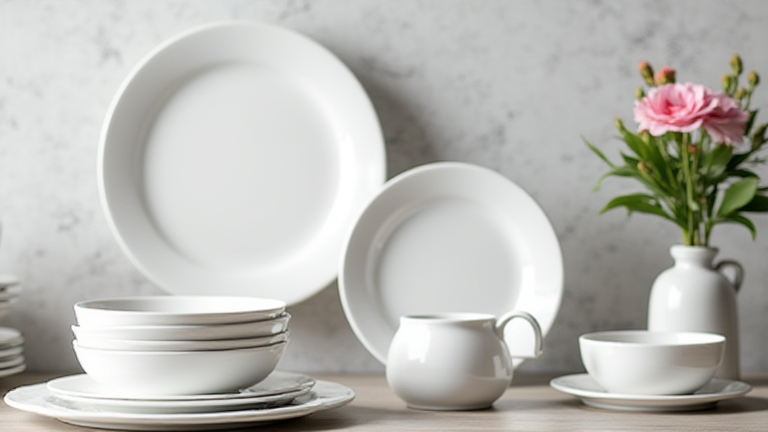
Porcelain Buying Guide: How to Choose Perfect Tableware
TL;DR: Select high-quality porcelain by verifying it is fully vitrified and free of visible pinholes or crazing to ensure durability. Prioritize pieces with a smooth, non-porous glaze and a substantial weight to guarantee longevity and a luxurious dining experience.
Choosing the right tableware is more than a functional decision; it is an act of self-care that elevates every meal into a cultural ritual. Porcelain, with its history rooted in ancient craftsmanship, offers a unique blend of elegance and resilience. However, navigating the market can be daunting for the uninitiated. This guide focuses on the tactile and visual cues that distinguish exceptional pieces from mass-produced alternatives, ensuring your investment serves you for decades. When approaching a purchase, consider the narrative you want your table to tell. Do you prefer the stark, minimalist purity of modern white porcelain, or the intricate, hand-painted heritage of traditional patterns? Understanding these stylistic nuances allows you to curate a collection that reflects your personal growth and aesthetic values. The journey to perfect tableware begins with understanding the material itself. True porcelain is a ceramic that has been fired at extremely high temperatures, resulting in a body that is white, opaque, and incredibly strong. This vitrification process is crucial because it renders the material non-porous, preventing stains and odors from penetrating the surface. In contrast, lower-quality ceramics may remain porous, leading to a duller appearance over time as they absorb liquids and oils. Therefore, the first step in your buying guide is to inspect the finish. Run your finger gently across the glaze. It should feel glassy and smooth, without any roughness or grit. Look closely under bright light for any tiny pinholes or bubbles, which indicate a flawed firing process. These imperfections not only detract from the beauty of the piece but also create weak points where cracks can begin. Additionally, check for crazing, a network of tiny cracks in the glaze that allows liquids to seep into the body of the porcelain. While some collectors appreciate aged crazing, it is undesirable in new tableware as it compromises hygiene and structural integrity. Weight is another subtle but important indicator of quality. Genuine porcelain often feels surprisingly light for its size, yet it possesses a satisfying heft that conveys solidity. This balance of lightness and strength is a hallmark of superior manufacturing. Finally, consider the shape and ergonomics. Plates should have a well-defined rim that catches spills, and bowls should curve comfortably against the hand. By paying close attention to these details, you transform a simple shopping trip into a thoughtful exploration of craft and culture. Your table setting becomes a canvas for daily life, where every meal is savored with intention. Investing in the right porcelain is not just about acquiring objects; it is about creating a space where food, family, and artistry converge. Take your time, trust your senses, and choose pieces that resonate with your lifestyle. The perfect tableware will quietly enhance your daily routines, turning the ordinary into the extraordinary one bite at a time.
If you want to dig deeper, check out our guide on Porcelain Buying Guide: How to Choose the Perfect Set.
FAQ
Q: How can I tell if porcelain is dishwasher safe?
A: Look for a specific “dishwasher safe” label on the packaging or the bottom of the piece, as high-heat cycles can degrade delicate gold or silver rims over time.
Q: What is the difference between bone china and porcelain?
A: Bone china contains bone ash, making it lighter, more translucent, and stronger than standard porcelain, while porcelain is denser and typically opaque with a whiter appearance.
Q: How should I store my porcelain to prevent chipping?
A: Use felt or fabric dividers in your cabinet to separate plates, ensuring they do not touch each other, and avoid stacking heavy items on top of your delicate tableware.
Leave a Reply