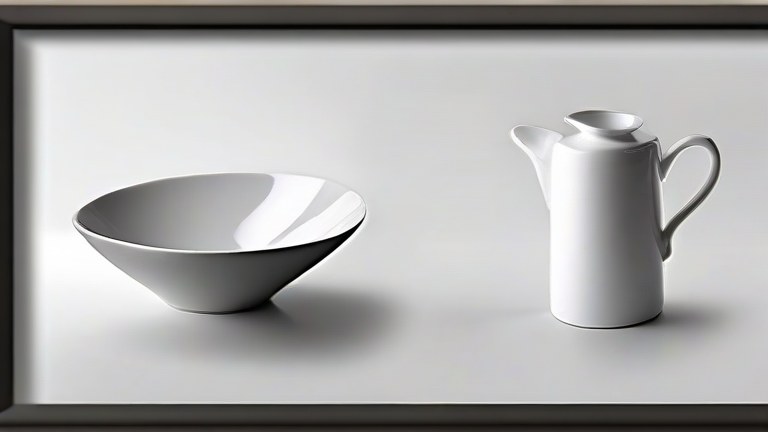
Porcelain Buying Guide: How to Choose the Perfect Porcelain
TL;DR: To choose the perfect porcelain, prioritize high-kiln fired bone china or hard-paste porcelain for durability and translucency. Inspect for uniformity, weight, and sound to ensure structural integrity and aesthetic refinement.
Buying high-quality porcelain is an investment in both functionality and beauty. Whether you are upgrading your dining set or collecting art, understanding the nuances of ceramic manufacturing will help you make an informed decision. This guide walks you through the essential steps to identify superior porcelain pieces that will last for generations.
If you want to dig deeper, check out our guide on Porcelain Buying Guide: How to Choose the Right Pieces.
Step 1: Determine the Type of Porcelain
Not all porcelain is created equal. The most common types are hard-paste, soft-paste, and bone china. Hard-paste porcelain is fired at very high temperatures, making it extremely durable and white. Soft-paste is fired at lower temperatures and is often more porous, requiring glazing to prevent absorption. Bone china, which includes bone ash, is lighter, stronger, and more translucent than hard-paste. For daily use, bone china is often the premium choice due to its exceptional strength-to-weight ratio. If you are buying for decorative purposes, soft-paste may offer more intricate detailing and vibrant colors, but it is less practical for dining.
Step 2: Assess the Material Quality
Examine the material closely. Hold the piece up to a light source. High-quality porcelain should be translucent, allowing light to pass through the rim or thin sections. This translucency indicates a fine, dense clay body. Check the weight; bone china is surprisingly light for its size, while hard-paste feels heavier. A lighter piece usually signifies higher quality materials and thinner walls, which contribute to an elegant appearance. Avoid pieces that feel rough or gritty, as this indicates poor grinding of the raw materials.
Step 3: Inspect for Flaws and Consistency
Thoroughly inspect the surface for any defects. Look for pinholes, cracks, or uneven glazing. Tap two similar pieces together gently. A high-quality porcelain piece will produce a clear, ringing tone. A dull thud suggests internal stress or cracks that may worsen over time. Ensure the color is consistent across the entire piece. Inconsistent coloration can indicate improper firing or low-grade pigments. For sets, buy all pieces at the same time to ensure matching patterns and shades, as reordering later may result in slight variations.
Tips for Long-Term Care
Once you have purchased your porcelain, proper care is essential. Hand washing is recommended for delicate pieces, especially those with gold or silver accents. Avoid sudden temperature changes, as thermal shock can cause cracking. Store plates vertically if possible to prevent chipping, and use felt pads between stacked items. By following these steps and tips, you can select porcelain that not only looks stunning but also withstands the test of time.
FAQ
Q: Is bone china dishwasher safe?
A: Most modern bone china is dishwasher safe, but hand washing is recommended for pieces with metallic accents or very thin rims to preserve the finish and prevent micro-cracks.
Q: How can I tell if porcelain is genuine?
A: Genuine porcelain is translucent when held up to light, rings clearly when tapped, and is significantly lighter than earthenware or stoneware of the same size.
Q: What is the difference between porcelain and china?
A: “China” is a colloquial term often used interchangeably with porcelain, but technically, porcelain is a specific type of ceramic fired at high temperatures, whereas “china” can refer to any ceramic tableware.
Leave a Reply