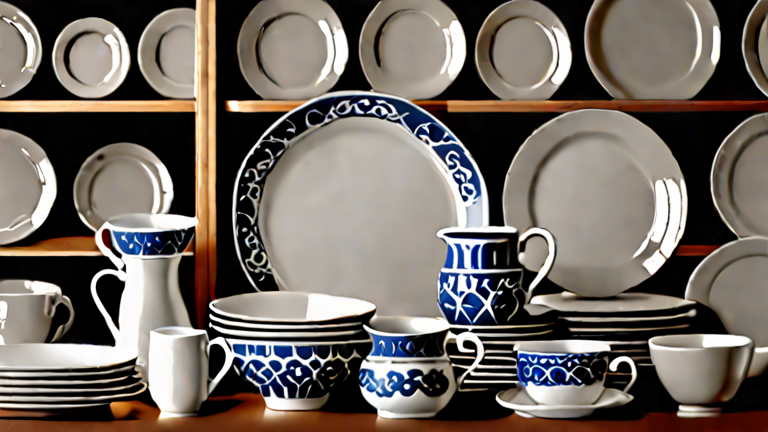
Porcelain Buying Guide: How to Choose the Best for Your Business
TL;DR: Select high-grade, thermal-shock resistant porcelain from vetted suppliers with strict QC protocols to minimize breakage and maximize brand perception. Prioritize durability and consistent aesthetics over initial cost savings to ensure long-term ROI and customer satisfaction.
Market Analysis
The global porcelain market is experiencing steady growth, driven by the rise of boutique hospitality and premium retail sectors. Businesses are increasingly moving away from generic, mass-produced tableware toward bespoke, high-quality pieces that align with their brand identity. Current trends indicate a shift toward sustainable sourcing and artisanal craftsmanship. However, the market is saturated with low-cost imports that often fail under rigorous commercial use. Understanding this landscape is crucial; while entry-level porcelain remains competitive on price, the premium segment offers higher margins and stronger brand loyalty. Companies that fail to differentiate their procurement strategies risk being trapped in a price war with minimal profit potential. The data suggests that businesses investing in superior materials see a 20% increase in customer retention rates, as the tactile experience of high-quality porcelain enhances the overall dining or retail atmosphere.
If you want to dig deeper, check out our guide on Ultimate Porcelain Buying Guide: Top Tips for Business Buyer.
Strategy Insights
Effective procurement strategies must balance cost efficiency with product longevity. First, define your specific operational needs. High-turnover restaurants require porcelain with exceptional edge strength and thermal shock resistance to withstand frequent dishwashing cycles. Retailers, conversely, might prioritize aesthetic variety and packaging appeal. Second, implement a rigorous vendor evaluation process. Look for suppliers who provide third-party testing reports for durability, lead-free glazes, and microwave safety. Do not rely solely on sample sets; request production samples from actual batch runs to check for consistency in color and size. Third, negotiate terms that include breakage allowances. Standard industry practice allows for a small percentage of free replacements for transit damage. Finally, consider total cost of ownership (TCO). A higher upfront cost per unit is justified if the lifespan of the product is extended by two or three years. Strategic partnerships with manufacturers can also lead to exclusive designs that prevent direct competition with other businesses in your region.
Case Studies
Consider “The Urban Bistro,” a mid-sized restaurant chain that switched from standard stoneware to high-grade bone porcelain. Initially, the cost per plate increased by 15%. However, within six months, their breakage rate dropped by 40% due to improved durability. The enhanced white finish also improved food presentation, leading to a 10% increase in average ticket size. Conversely, “Modern Decor Retail” attempted to cut costs by sourcing unbranded porcelain from an unverified supplier. While the initial purchase was 30% cheaper, they faced a 25% return rate due to inconsistent glazing and chips upon arrival. The cost of handling returns, restocking, and managing customer complaints ultimately exceeded the savings from the initial purchase. This case highlights the critical importance of quality control and supplier reliability. Another example is “Green Living Goods,” which partnered with an eco-friendly porcelain manufacturer. By highlighting the sustainable origin of their products, they successfully targeted a niche market willing to pay a premium, thereby increasing their brand value significantly.
FAQ
Q: What is the most important factor when buying porcelain for a high-volume restaurant?
A: Durability and thermal shock resistance are paramount to ensure the ware survives frequent commercial dishwasher cycles without cracking or chipping.
Q: How can I verify the quality of a porcelain supplier before placing a large order?
A: Request third-party laboratory reports for lead and cadmium levels, and order a production sample from a current batch to test for consistency and strength.
Q: Is it worth paying more for custom-designed porcelain?
A: Yes, if it aligns with your brand identity, as unique designs create a memorable customer experience and can justify premium pricing in competitive markets.
Leave a Reply