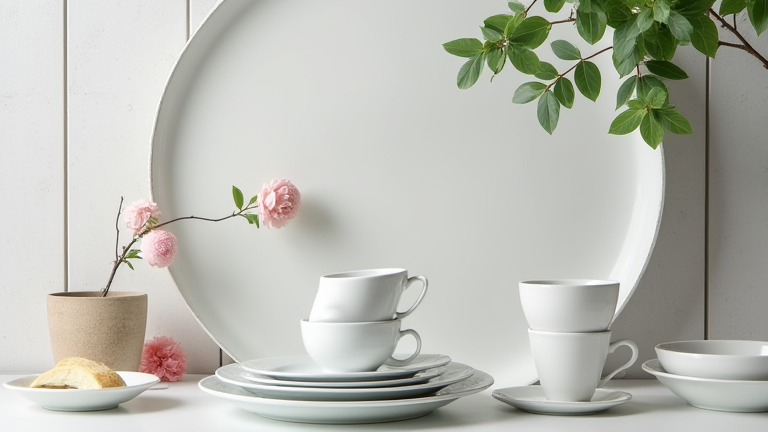
Porcelain Buying Guide: 7 Tips for Choosing the Perfect Pieces
TL;DR: To buy the perfect porcelain, inspect for structural integrity by tapping the piece for a clear ring and checking for hairline cracks under raking light. Prioritize reputable manufacturers with consistent firing techniques to ensure your investment remains durable, safe, and visually stunning for generations.
Porcelain is more than just tableware; it is a medium for art and a testament to craftsmanship. Whether you are collecting vintage pieces or selecting modern dinnerware, understanding the nuances of porcelain helps you avoid costly mistakes. Here is a step-by-step guide to ensuring you select pieces that are both beautiful and built to last.
If you want to dig deeper, check out our guide on How Shopify Store Owners Can Cut Churn Rates by 15%.
1. Examine the Surface Under Raking Light
Hold the piece against a light source at a low angle. This technique, known as raking light, highlights surface imperfections that are invisible under direct lighting. Look for pinholes, which are small air bubbles that escaped during firing, or rough spots where the glaze failed to smooth out. A high-quality piece should have a glass-like, smooth finish that feels uniform to the touch. If you feel any grittiness or bumps, the piece may not have been fired correctly.
2. Check for Structural Integrity
Porcelain is brittle despite its strength. Inspect the rims and bases for chips or cracks. Pay special attention to the bottom of the piece, as this is often where stress fractures develop. If you are buying vintage items, look for “crazing,” which is a network of fine cracks in the glaze. While some crazing is acceptable in antique pieces, it can harbor bacteria in functional tableware, making it less desirable for daily use.
3. Tap Test for Density
Gently tap the body of the porcelain with a fingernail or a small metal object. High-quality, fully vitrified porcelain produces a clear, ringing tone similar to a bell. If the sound is dull or thuddy, the piece may be under-fired or made of lower-quality stoneware. This acoustic test is a quick way to gauge the density and firing temperature of the material.
4. Verify the Maker’s Mark
Always check the underside for a manufacturer’s mark. Reputable brands like Meissen, Wedgwood, or Lenox have specific stamps that indicate origin and quality. For modern pieces, look for symbols indicating lead-free glaze and microwave or dishwasher safety. If a piece is unmarked, ask the seller for provenance. Unmarked porcelain is harder to value and may pose health risks if the glaze contains lead or cadmium.
5. Assess Color Consistency
Compare multiple pieces from the same set to ensure color matching. Porcelain colors can shift slightly between production runs due to variations in clay composition or kiln temperature. If you are buying a mixed set, hold the pieces together to see if the shades align. Inconsistent coloring can make a set look uneven and less valuable over time.
6. Consider the Weight and Balance
Pick up the piece to feel its weight. Fine porcelain should feel substantial but not heavy. It should feel balanced in your hand. A piece that feels too light may be thin and prone to breaking, while one that feels too heavy may be poorly designed. The handle of a cup or the rim of a plate should feel comfortable and secure.
7. Evaluate the Condition for Use
Decide if the piece is for display or daily use. Display pieces allow for more tolerance of minor flaws like small nicks. However, if you plan to use the item for dining, ensure there are no cracks or chips that could compromise its safety. A hairline crack can widen with thermal shock from hot food or liquids, leading to breakage.
FAQ
Q: How do I clean antique porcelain safely?
A: Use luk
Leave a Reply