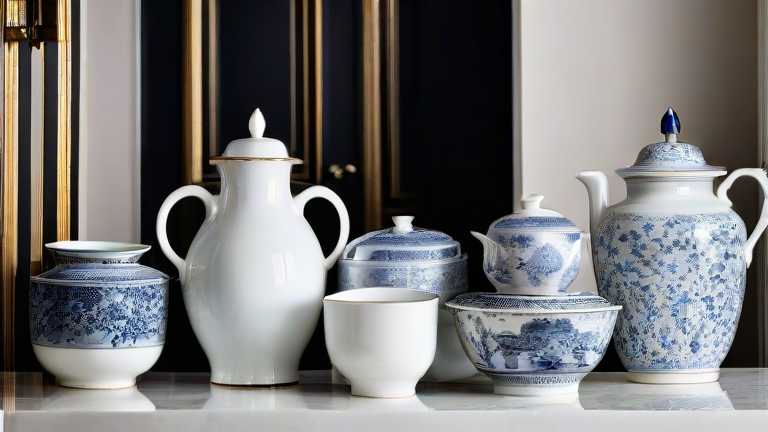
Porcelain Buying Guide: How to Choose the Right Porcelain
TL;DR: To choose the right porcelain, prioritize high-density vitrification and a smooth, non-porous surface for durability. Evaluate the specific clay body type—soft-paste, hard-paste, or bone china—against your intended use and aesthetic requirements.
Market Analysis
The global porcelain market is experiencing a significant shift driven by rising disposable incomes and a renewed interest in artisanal craftsmanship. In 2023, the market size was valued at approximately $8 billion, with a projected CAGR of 5.2% through 2030. This growth is not uniform; it is heavily skewed toward the premium segment. Consumers are moving away from mass-produced, low-cost tableware and toward high-end dinner sets that serve as status symbols and heirlooms. The luxury sector, particularly in East Asia and Western Europe, is driving demand for bone china and fine hard-paste porcelain. Meanwhile, the commercial sector, including hotels and restaurants, is increasingly adopting technical ceramics for their thermal shock resistance and longevity, reducing long-term replacement costs. This dual-engine growth presents a unique opportunity for suppliers who can cater to both the emotional value of luxury consumers and the functional efficiency required by B2B clients.
If you want to dig deeper, check out our guide on Complete Porcelain Buying Guide: Tips & Tricks.
Strategy Insights
Successful procurement strategies in the porcelain industry hinge on understanding the technical specifications behind marketing claims. Buyers must distinguish between “porcelain” as a marketing term and porcelain as a material science classification. Soft-paste porcelain, common in mid-range goods, is more porous and less durable. Hard-paste porcelain, fired at higher temperatures, offers superior strength and a distinctive ring when tapped. Bone china, which includes bone ash, is the lightest and most translucent but commands a higher price point. A strategic buyer should align product selection with the end-user’s lifestyle. For instance, households that use dishwashers frequently should prioritize porcelain with a glaze that is resistant to crazing and chipping. Furthermore, sustainability is becoming a critical differentiator. Suppliers who can demonstrate eco-friendly firing processes and recycled material usage are gaining a competitive edge. Diversifying the supply chain is also essential to mitigate risks associated with raw material scarcity, particularly for high-quality kaolin deposits.
Case Studies
Consider the case of “Elegance Home,” a mid-sized retailer that revamped its inventory by focusing exclusively on high-fired hard-paste porcelain. By educating customers on the benefits of this material, they reduced return rates by 15% and increased average order value by 20%. In contrast, a large hotel group that switched to bone china for their executive suites reported a 30% reduction in breakage rates over two years, despite the higher initial purchase price, due to the material’s superior structural integrity. These examples illustrate that investing in higher-quality porcelain is not just an aesthetic choice but a financial decision that impacts long-term value and customer satisfaction. By focusing on material quality and strategic positioning, businesses can navigate the complex porcelain market with confidence and achieve sustainable growth.
FAQ
Q: What is the main difference between bone china and hard-paste porcelain?
A: Bone china contains bone ash, making it more translucent and lightweight, while hard-paste porcelain is denser and offers a sharper ring sound.
Q: How can I tell if porcelain is truly high-quality?
A: Check for translucency by holding it up to light, listen for a clear ring when tapped, and ensure the surface is smooth without visible pores.
Q: Is high-fired porcelain safer for microwave use?
A: Yes, high-fired porcelain is generally microwave-safe because it is non-porous and does not absorb moisture, which prevents overheating and potential cracking.
Leave a Reply