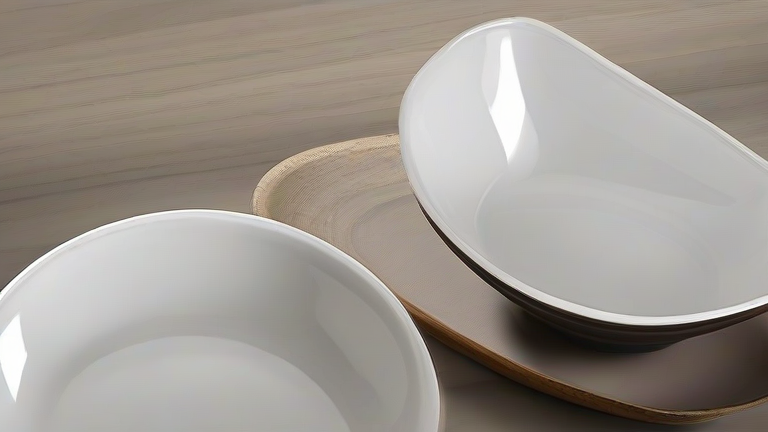
Porcelain Buying Guide: Top Tips for Choosing Quality
TL;DR: Select high-quality porcelain by verifying it is made from pure kaolin clay and fired at high temperatures, which ensures durability and a smooth finish. Always check for even glazing, consistent weight, and a lack of visible defects before making a purchase.
Buying fine porcelain can be a daunting task if you do not know what to look for. Whether you are upgrading your daily tableware or collecting decorative pieces, understanding the nuances of material quality is essential for making a smart investment. The right guide helps you navigate the market with confidence and ensures you get value for your money.
If you want to dig deeper, check out our guide on Shopify Store Setup: 7 Steps to Launch Your First Online Sto.
Understanding Material Composition
The foundation of excellent porcelain lies in its raw materials. True porcelain is made from a specific type of clay known as kaolin, which is fired at extremely high temperatures. This process results in a material that is less porous and more durable than standard ceramic or stoneware. When evaluating a piece, look for descriptions that specify “hard-paste” or “soft-paste” porcelain. Hard-paste porcelain is generally considered superior due to its greater strength and translucency. Avoid products that vaguely state “ceramic” without specifying the type, as these are often lower quality and more prone to chipping.
Evaluating Craftsmanship and Finish
Once you have identified the material, the next step is to assess the craftsmanship. Inspect the glaze for uniformity. A high-quality glaze should be smooth, glossy, and free from bubbles or runs. Hold the piece up to the light; genuine porcelain should have a slight translucency, especially in thinner sections like the rim or handle. Additionally, check the weight. Porcelain is typically lighter than stoneware but should still feel substantial. If a piece feels unnaturally light or hollow, it may be made from lower-quality materials or be poorly constructed. Listen for a clear, ringing tone when tapping the piece gently. A dull thud indicates poor density or internal flaws, while a clear tone suggests a well-fired, high-quality product.
Comparing Brands and Styles
When comparing different brands, consider the intended use of the porcelain. For everyday dining, look for collections that are dishwasher and microwave safe. Premium brands often offer these conveniences without compromising on aesthetics. Decorative pieces, on the other hand, may require hand washing to preserve intricate details. Compare the price points against the brand’s reputation for longevity. While luxury brands command higher prices, mid-range options from reputable manufacturers often offer excellent quality at a more accessible price. Always read customer reviews to gauge long-term performance and consistency in quality.
Make the Right Choice Today
Investing in quality porcelain enhances your dining experience and adds elegance to your home. By focusing on material composition, craftsmanship, and brand reputation, you can avoid common pitfalls and select pieces that will last for years. Do not settle for mediocrity. Take your time, inspect the details, and choose wisely. Visit our latest collection today to discover porcelain pieces that meet the highest standards of quality and design. Your table deserves the best.
FAQ
Q: How can I tell if porcelain is authentic?
A: Authentic porcelain is translucent when held up to light and produces a clear, ringing sound when tapped. It is also made from kaolin clay and fired at very high temperatures, resulting in a smooth, non-porous surface.
Q: Is porcelain better than stoneware for daily use?
A: Porcelain is generally preferred for daily use because it is less porous, more durable, and often lighter than stoneware. It also holds its color and glaze better over time, making it more aesthetically pleasing for long-term use.
Q: How should I clean and maintain fine porcelain?
A> While many modern porcelain pieces are dishwasher safe, hand washing with mild soap is recommended to preserve the glaze and prevent potential chipping. Avoid sudden temperature changes, as thermal shock can cause cracks in delicate porcelain items
Leave a Reply