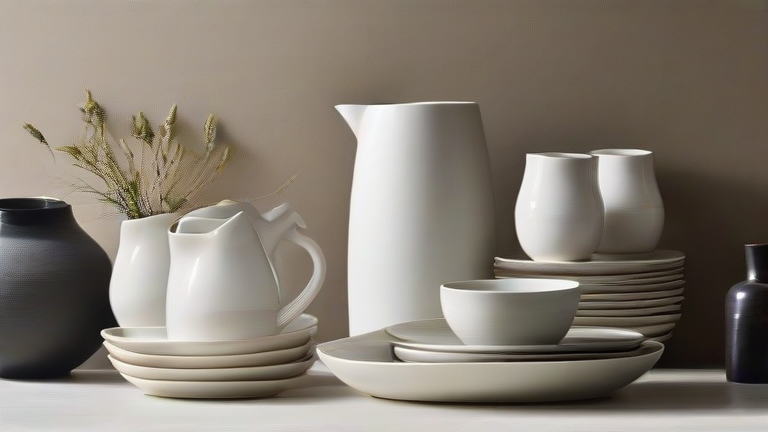
**Healthy Home, Pure Sips: The Porcelain Buying Guide** (59 chars)
TL;DR: Choose lead-free, high-quality porcelain to avoid chemical leaching into your beverages. Prioritize kiln-fired durability and non-porous surfaces for optimal hygiene and long-term wellness.
The Hidden Risks of Low-Grade Ceramics
In our quest for a healthier lifestyle, we often focus on diet and exercise, frequently neglecting the vessels that hold our daily sustenance. Recent studies in material science highlight that low-grade ceramics may contain heavy metals like lead or cadmium used in glazes. These elements can migrate into hot liquids, posing long-term health risks. A “healthy home” begins with ensuring that your drinkware is chemically inert and safe for repeated high-temperature use.
Identifying True Porcelain
Not all white ceramics are created equal. True porcelain is distinguished by its density, translucency, and high firing temperature, typically above 1,200°C. This high heat vitrifies the clay, creating a non-porous surface that resists absorbing odors, stains, and bacteria. When shopping, look for items that are thin enough to allow light to pass through the rim when held up to a bright source. This translucency indicates the fine particle size and high density characteristic of premium porcelain, which is far superior to earthenware or stoneware for sensitive consumers.
Certifications and Safety Standards
Always verify that your purchase meets strict safety standards. Look for certifications such as FDA compliance or LFGB (German food safety law), which rigorously test for heavy metal migration. Reputable brands will explicitly state that their glazes are lead-free and cadmium-free. Avoid cheap, unbranded imports that lack clear provenance, as they may use unstable glazes that degrade over time, especially when exposed to acidic liquids like coffee or tea.
Lifestyle Tips for Longevity
To maintain the integrity of your porcelain, avoid drastic temperature changes that can cause thermal shock and micro-cracks. While many modern porcelains are microwave-safe, check the manufacturer’s guidelines. Hand washing is often recommended to prevent abrasive damage from dishwashers, preserving the smooth, hygienic surface. By investing in high-quality, certified porcelain, you reduce the cognitive load of worrying about hidden contaminants, allowing you to focus on the joy of your beverage.
FAQ
Q: Is all white ceramic safe for hot drinks?
A: No, only certified lead-free porcelain or high-fired stoneware is guaranteed safe; low-grade ceramics may leach heavy metals when heated.
If you want to dig deeper, check out our guide on 7 Reasons the Apple M3 MacBook Pro Beats the Intel i9.
Q: How do I test if my mug is true porcelain?
A: Hold the rim up to a light; true porcelain is translucent, while lower-quality ceramics are opaque and thicker.
Q: Can I put porcelain in the dishwasher?
A: Many high-quality pieces are safe, but hand washing is recommended to preserve glaze integrity and prevent micro-abrasions over time.
Leave a Reply