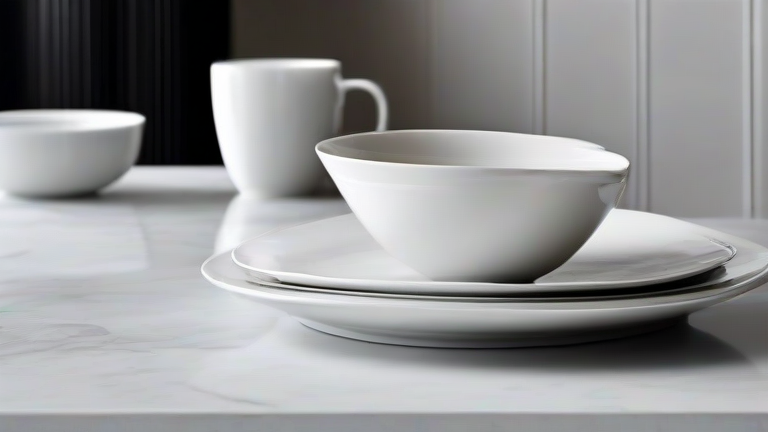
TL;DR: Choosing the right porcelain—whether for dinnerware, cookware, or dental restorations—can reduce your exposure to heavy metals and support safer food preparation. Prioritize lead-free, food-grade, and chip-resistant options, and always verify certification to avoid toxic glazes.
Why Porcelain Matters for Your Health
Porcelain is prized for its durability and non-porous surface, which resists bacteria, mold, and stains better than many plastics or earthenware. Unlike ceramic or stoneware, high-quality porcelain is fired at extremely high temperatures (above 1,200°C), resulting in a vitrified, glass-like body that does not leach chemicals into food. This makes it an excellent choice for people with sensitive immune systems, children, or anyone looking to minimize microplastic ingestion from synthetic kitchenware.
If you want to dig deeper, check out our guide on Porcelain Buying Guide: How to Choose the Perfect Piece.
Key Safety Criteria: What to Look For
Before buying, always check for a “lead-free” and “cadmium-free” label on glazes. Many imported, hand-painted porcelains use decorative glazes containing lead, which can migrate into acidic foods like tomato sauce or citrus juice. Look for FDA, EU (CE), or California Prop 65 compliance marks. Also, choose porcelain with a smooth, glossy finish—cracks or crazing (fine surface lines) can harbor bacteria. For cookware, opt for porcelain-enameled cast iron instead of pure porcelain, as the metal core distributes heat safely while the porcelain coating prevents iron leaching.
Lifestyle Tips: Using Porcelain Safely
Avoid sudden temperature shocks—never place a cold porcelain dish directly into a preheated oven, as thermal stress can cause micro-fractures that release particles. For daily use, hand-washing is gentler than dishwashers, which can erode glaze over time. If you use porcelain mugs or plates for hot beverages, ensure they are microwave-safe (check the bottom stamp) to prevent overheating of metallic decorative bands. For dental porcelain (veneers or crowns), maintain routine check-ups, as worn or chipped porcelain can expose underlying metal or cause gum irritation.
Science-Backed Choice: Bone China vs. Hard-Paste
Bone china contains up to 30% animal bone ash, making it lighter and more translucent, but some brands use lead in its glaze—so always verify. Hard-paste porcelain (like German or Japanese brands) is denser and more chip-resistant, making it safer for everyday use. For children’s tableware, choose porcelain marked “vitrified” and avoid any item with painted rims or embossed decorations, which are more likely to contain heavy metals.
FAQ
Q: Can porcelain leach toxins into my food if it’s chipped?
A: Yes. A chipped or cracked glaze exposes the porous body underneath, which can absorb food acids and release trace metals. Replace any damaged porcelain immediately.
Q: Is microwave-safe porcelain truly safe?
A: Only if it has a “microwave-safe” stamp. Decorative metallic rims (gold, platinum) can spark and release fumes. Plain glazed porcelain is generally safe, but test with a cup of water first.
Q: What’s the healthiest porcelain for daily coffee?
A: Lead-free, high-fired hard-paste porcelain without metallic accents. It won’t alter the taste, resists thermal shock, and stays inert against hot, acidic beverages.
Leave a Reply