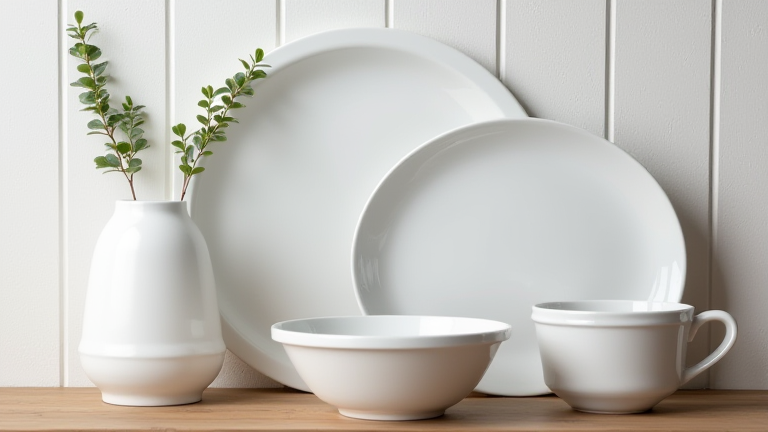
TL;DR: To choose the right porcelain pieces, prioritize the clay body (hard-paste vs. soft-paste) based on durability and translucency, then match the glaze finish (glossy vs. matte) to your serving and cleaning habits. Always check the foot ring and weight distribution for stacking stability, and buy open stock so you can replace individual pieces.
Why Porcelain Matters Beyond the Label
Porcelain isn’t just “fancy china.” It’s fired at higher temperatures (1,300–1,400°C) than stoneware or earthenware, which makes it denser, less porous, and chip-resistant. But “porcelain” on a box can mean anything from a thin, translucent bone-china blend to a thick, industrial-style mug. The first decision is your use case: if you’re a daily espresso drinker who drops cups in the sink, choose hard-paste porcelain with a reinforced rim (look for “vitrified” on the spec sheet). If you’re hosting formal dinners, choose soft-paste or bone china for that delicate, candlelit glow—but accept that it requires hand-washing.
If you want to dig deeper, check out our guide on Porcelain Buying Guide: How to Choose the Perfect Set.
Feature Highlights: What Actually Matters
1. Clay Body & Firing Temperature. Hard-paste (true porcelain) is made from kaolin and feldspar, fired once at high heat. It’s the most durable and microwave-safe. Soft-paste (including bone china) contains bone ash, giving it a milky white warmth but lower scratch resistance. For everyday use, hard-paste wins. For heirloom aesthetics, bone china wins.
2. Glaze Composition. A fully glazed foot (the bottom rim) prevents moisture absorption and crazing (tiny cracks). Most budget porcelain skips glazing the foot, which leads to gray staining. Run your finger along the bottom—if it feels rough, it’s a cheaper piece. Also, matte glazes show fewer fingerprints but stain more easily with tomato sauce; glossy glazes are easier to wipe but show water spots.
3. Stackability & Weight. If you’re buying a dinner set, stack plates of the same size to check the gap. A proper stack should nest without wobbling. Weight matters: a 10-inch dinner plate should weigh between 600–800 grams. Lighter than that means thin walls (more prone to thermal shock), heavier means clunky handling.
4. Edge Profile. A rolled-edge (slightly thickened rim) resists chipping better than a sharp, thin edge. This is critical if you have kids or use a dishwasher—the jets bang plates against each other. For formal serving, a flat, wide rim shows off food but chips easily.
Comparison: Budget vs. Mid-Range vs. Luxury
Budget ($15–$30 per place setting): Usually porcelain stoneware blends (not true porcelain). They’re heavy, opaque, and often have a rough foot ring. Fine for a cabin or rental property, but they’ll scratch with metal utensils.
Mid-range ($40–$80 per setting): True hard-paste porcelain with fully glazed feet, rolled edges, and a smooth, even glaze. Look for brands like Villeroy & Boch or Denby—they offer open stock replacements and a 10-year chip warranty.
Luxury ($100+ per setting): Thin, translucent bone china from brands like Wedgwood or Herend. Beautiful, but you must hand-wash and avoid thermal shock (no hot soup in a cold plate). The trade-off is elegance—not durability.
Call-to-Action
Before you buy, order a single dinner plate from two different brands within your budget. Run it through your dishwasher, microwave a leftover curry on it, and drop it on a carpeted floor from waist height. That 10-minute test saves you $300 later. Ready to shop? Start with hard-paste porcelain
Leave a Reply