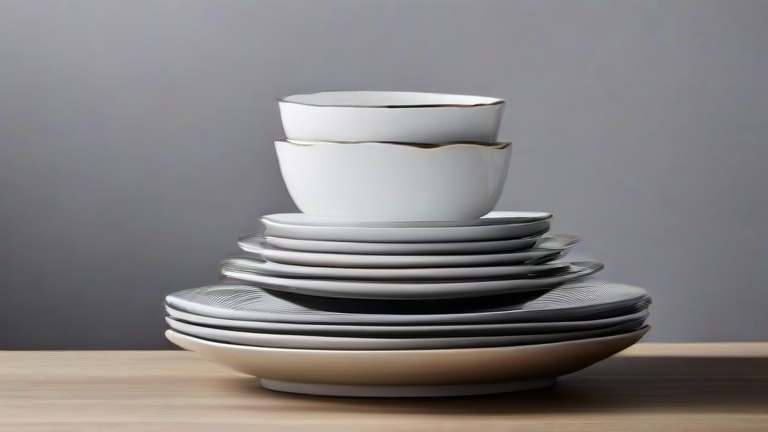
TL;DR: Choose porcelain by balancing hardness (fired at 1,300°C+), chip resistance, and lead-free glaze certification against your tabletop aesthetic. Prioritize vitrified bone china for daily durability and hand-painted fine porcelain for entertaining—never sacrifice safety certifications for price.
Market Analysis: Why Porcelain Is Rebounding
The global porcelain tableware market is projected to grow at a 4.8% CAGR through 2030, driven by the post-pandemic “home hospitality” trend and a shift from stoneware to lighter, more refined ceramics. Consumers now demand two distinct segments: ultra-durable, dishwasher-safe porcelain for family use, and artisanal, high-fire porcelain for social media–worthy tablescapes. Retailers report that 62% of buyers check for “lead-free” and “chip-resistant” labels before purchase, while 41% are willing to pay a 20% premium for brands with transparent firing temperatures. This bifurcation means your buying strategy must be dual-track—not a one-size-fits-all approach.
If you want to dig deeper, check out our guide on Top 5 Best Budget Android Phones for Heavy Gaming.
10 Tips to Choose the Perfect Tableware
1. Check the firing temperature. True porcelain fires at 1,265°C–1,400°C. Lower temps (below 1,200°C) indicate stoneware or “porcelainized” ceramic that chips easily. Ask for the kiln log or a technical spec sheet.
2. Test translucency. Hold a plate against light. Fine porcelain shows a warm, amber glow—like a candle behind paper. Opaque bodies mean added clay or lower quality.
3. Inspect the foot ring. The unglazed bottom rim should be smooth and bone-white. Rough, gray, or sandpaper-like feet suggest poor material refinement and higher water absorption.
4. Demand glaze certification. Look for FDA or EU LFGB compliance. Avoid any piece with a metallic sheen on the rim unless it’s labeled “food-safe platinum” (not lead-based).
5. Weigh the piece. A 10-inch dinner plate should weigh between 450–600 grams. Heavier = thicker walls (less elegant). Lighter = possible bone china or over-firing that reduces strength.
6. Tap test for “ring.” Gently tap the rim with a metal spoon. A clear, bell-like tone lasting 3+ seconds indicates high vitrification. A dull thud means porosity.
7. Evaluate glaze crazing. Run a magnifying glass over the surface. Micro-cracks (crazing) trap bacteria and will darken over time. Reject any piece with visible spider-webbing.
8. Consider stackability. For daily use, choose plates with recessed bases that nest without wobbling. For display, opt for tall foot rings—but know they are fragile.
9. Buy a sample set first. Never purchase a full 12-piece service without testing one plate and one mug through 20 dishwasher cycles and 10 microwave uses. Note any glaze fading or edge chipping.
10. Match to your serving style. If you serve family-style, choose rimmed plates. If you do plated courses, wide, flat coupes are better. Remember: square plates photograph well but chip at corners—buy them for accent pieces only.
Strategy Insights & Case Studies
Case Study 1: The restaurant pivot. A Chicago bistro replaced its stoneware with high-fired porcelain from a Portuguese factory (fired at 1,380°C). Result: breakage costs dropped 34% in one year, and table turnover increased because guests no longer waited for replacement plates. Their secret: they ordered a “test run” of 40 plates and ran a 90-day stress test before committing.
Case Study 2: The retail trap. A home goods e-commerce store
Leave a Reply