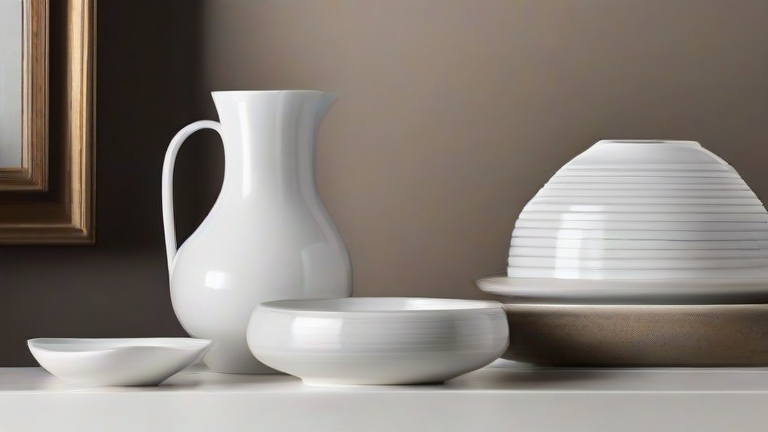
The Ultimate Porcelain Buying Guide: Expert Tips for Beginners
TL;DR: To buy high-quality porcelain, inspect the base for a smooth, glossy finish and tap the piece to hear a clear, ringing sound. Prioritize reputable brands with consistent glazing and ensure the item is marked “lead-free” to guarantee safety for daily use.
Understanding Porcelain Types
Before diving into specific purchases, it is crucial to understand the different categories of porcelain available on the market. Standard porcelain is the most common, offering a balance of durability and affordability. However, bone china, a premium variant, contains animal bone ash, which gives it a distinctive warm white hue and exceptional strength. For beginners, standard porcelain is an excellent starting point because it is less fragile than bone china yet significantly more durable than standard ceramic. Understanding these distinctions helps you set realistic expectations for both price and performance. You will notice that premium porcelain feels lighter than its ceramic counterparts despite similar thickness, a key indicator of the high-temperature firing process used in its creation. This lightweight quality is not just a marketing gimmick; it reflects a denser, more vitrified structure that resists chipping and cracking far better than lower-grade materials. Always ask about the specific type of porcelain when shopping, as this information is often found on the product label or in the detailed description provided by the retailer. Knowing the difference allows you to make informed decisions that align with your budget and intended usage, whether for daily dining or occasional entertaining. It also helps you identify potential red flags, such as items marketed as “porcelain” that lack the characteristic translucency or weight profile.
If you want to dig deeper, check out our guide on 10 Minimalist Desk Setups to Boost Your WFH Productivity.
Inspection Techniques for Quality
Once you have narrowed down your options, the next step is a thorough physical inspection. Start by holding the item up to a light source. High-quality porcelain should be translucent, allowing light to pass through the thinner sections of the rim or handle. If the piece appears opaque and dark, it is likely a lower-grade ceramic masquerading as porcelain. Next, examine the glaze closely. A superior glaze is smooth, even, and free from bubbles, pinholes, or orange peel texture. Run your finger gently over the surface; it should feel glassy and seamless. Any roughness or ridges indicate poor manufacturing or application techniques. Additionally, check the base of the item. The unglazed foot ring should be smooth and centered. A rough or uneven base can cause the item to wobble on your table, leading to spills and potential breakage. Another critical test is the “tap test.” Gently tap the body of the piece with a fingernail or a small metal object. High-quality porcelain produces a clear, high-pitched ringing sound. A dull thud suggests the material is not properly fired or is of inferior quality. This acoustic test is a reliable indicator of structural integrity and density. Be cautious with very delicate items, as tapping too hard can cause stress fractures, but a light tap is generally safe and highly informative for assessing the internal consistency of the clay body.
Care and Maintenance Considerations
Buying the right porcelain is only half the battle; maintaining it is essential for longevity. While most modern porcelain is dishwasher and microwave safe, it is always wise to check the manufacturer’s guidelines. Some hand-painted designs may not withstand the high heat and harsh detergents of a dishwasher, leading to fading or peeling over time. For pieces with intricate gold or silver detailing, hand washing is strongly recommended to preserve the luster and integrity of the decoration. Avoid sudden temperature changes, such as placing a cold plate directly into a hot oven or a hot mug into cold water, as thermal shock can cause cracking. Store your porcelain carefully to prevent minor chips that can worsen over time. Using felt pads between stacked plates is a simple yet effective way to protect the rims. By adopting these care habits, you ensure that your investment remains beautiful and functional for years to come. Remember that porcelain is a durable material, but it is not indestructible. Proper handling and maintenance are key to maximizing the lifespan of your collection and ensuring that each piece continues to look its best for every meal or occasion you host.
Leave a Reply